Leaving from the port of Livorno
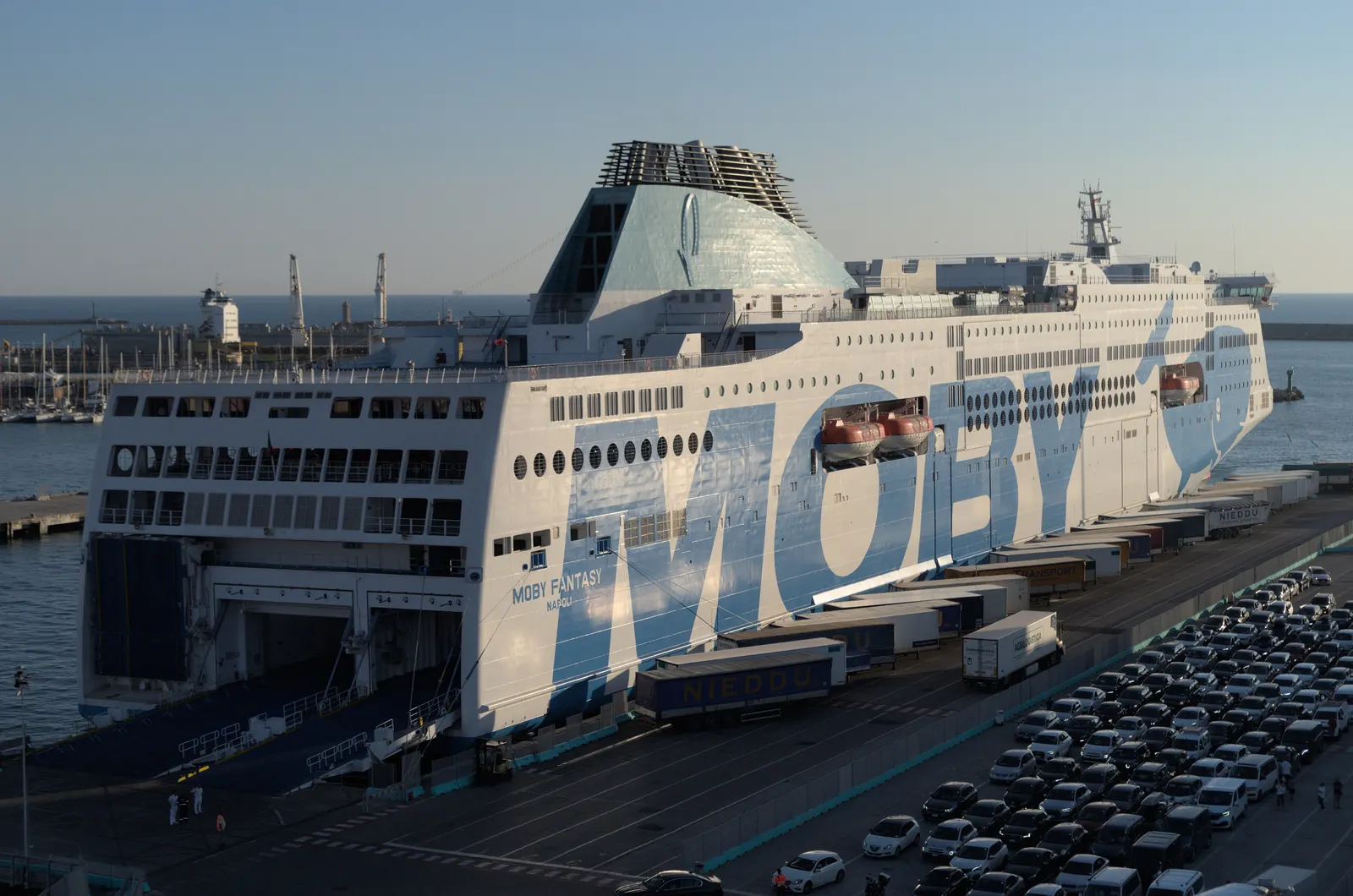
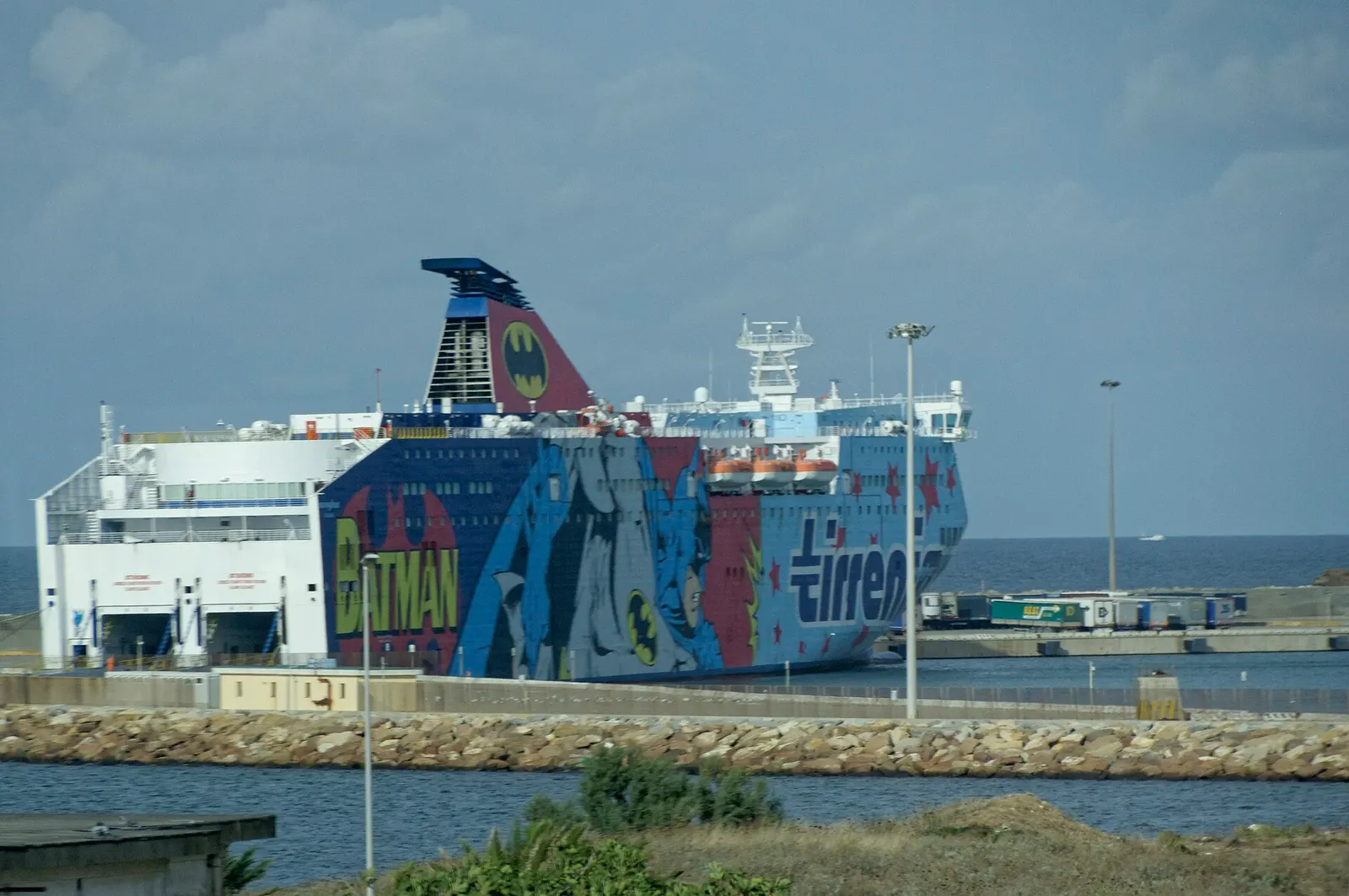
Moby leaves from the 'Imbarchi Stazione Marittima', Via Donegani, 57100 Livorno. On the signs, Moby tells you to follow 'Imbarco passeggeri', 'Via Guido Donegani' and 'MOBY'. By car, take the motorway exit marked 'Porto' at the toll gate and then follow the signs for passenger boarding.
Porto di Livorno 2000 has three fenced car parks with camera surveillance, open 24 hours: P1 for cars on Piazza del Portuale, with 111 spaces, 3 for reduced mobility and charging points, P2 for campers on Via A. Costa, with 26 spaces, and P3 for cars on Calata Carrara, with 37 spaces. Moby has two automated car parks in the passenger port, one for cars and one for campers, with entry by Telepass or UnipolMove.
Moby uses electronic check-in on the open area in front of the ship. With a vehicle, Moby asks you to be there at least 90 minutes before departure. Without one it asks for 1 hour from 1 June to 30 September and 30 minutes from 1 October to 31 May.
Who runs the terminal
Porto di Livorno 2000 manages the Stazione Marittima. Its office is at Piazzale dei Marmi 12, 57123 Livorno.
Where you can sail from Livorno
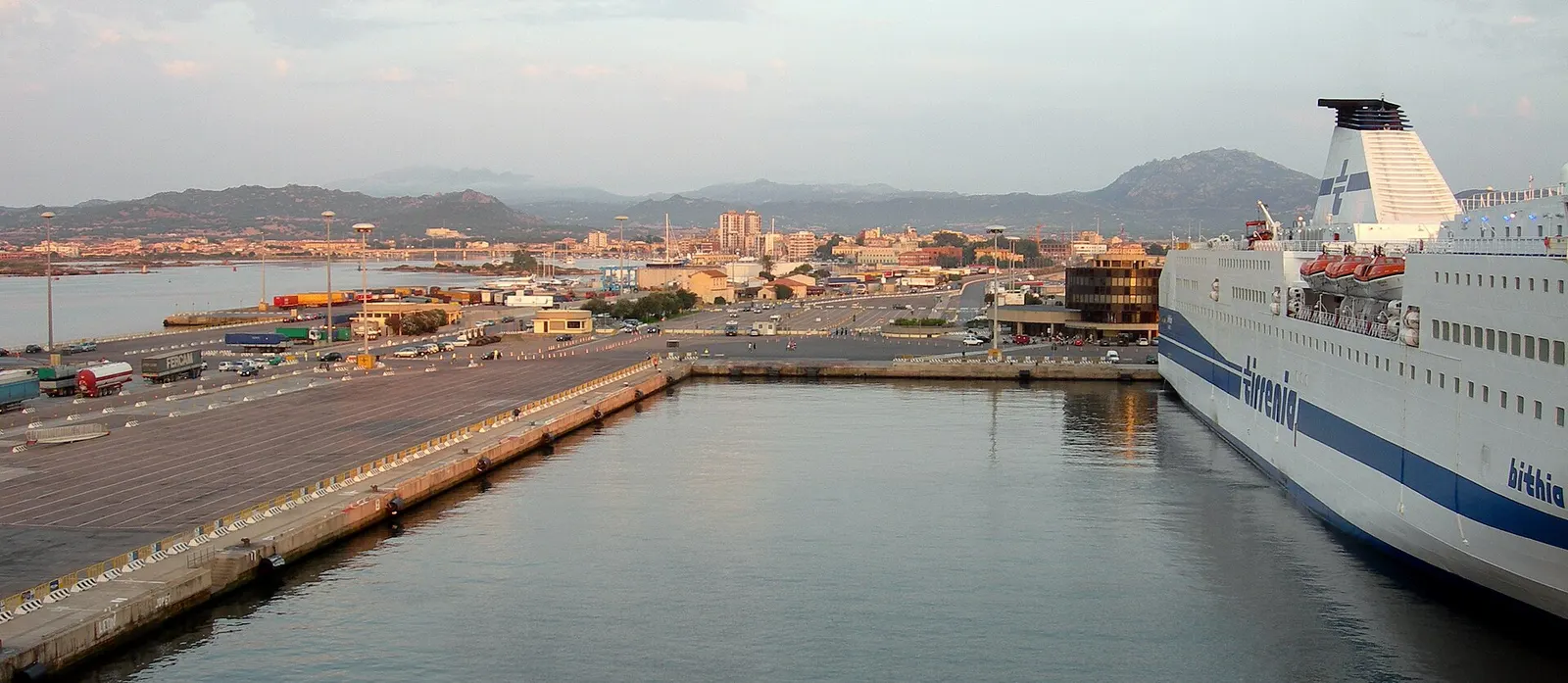
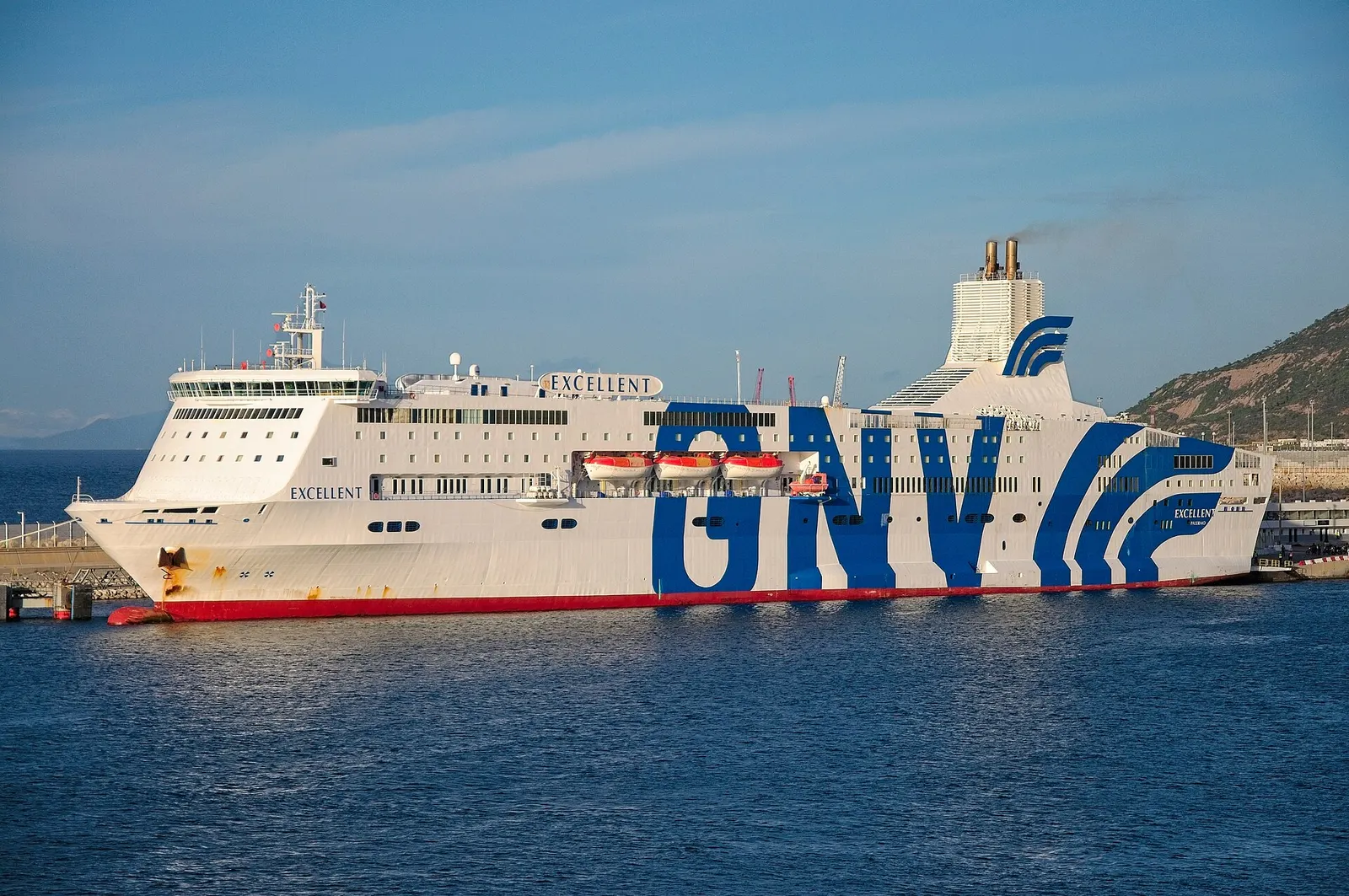
Olbia on Sardinia is about 8 hours to 10 hours away with Moby Lines and Grimaldi Lines. Golfo Aranci, also on Sardinia, takes about 10 to 13 hours with Corsica Ferries.
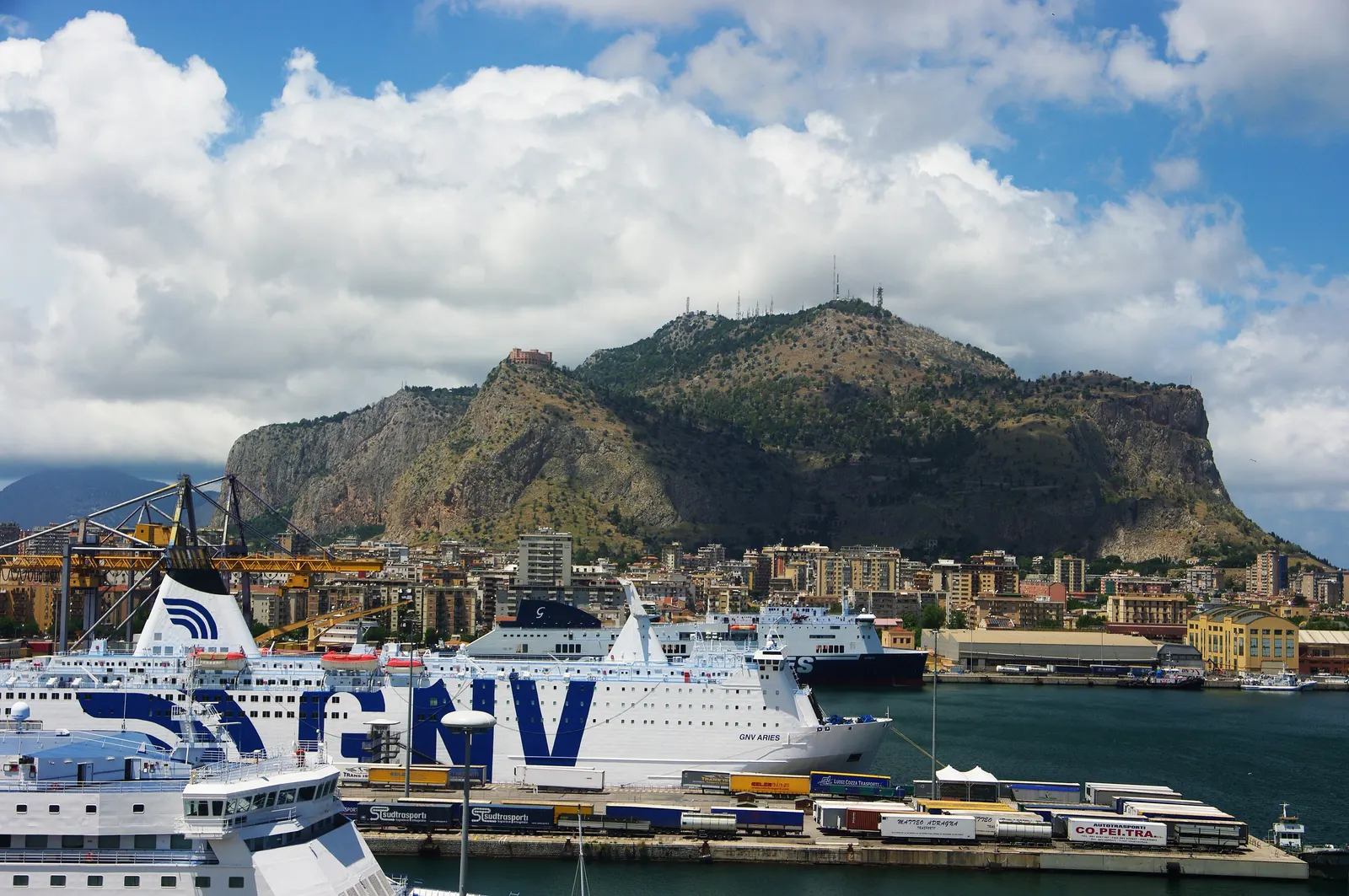
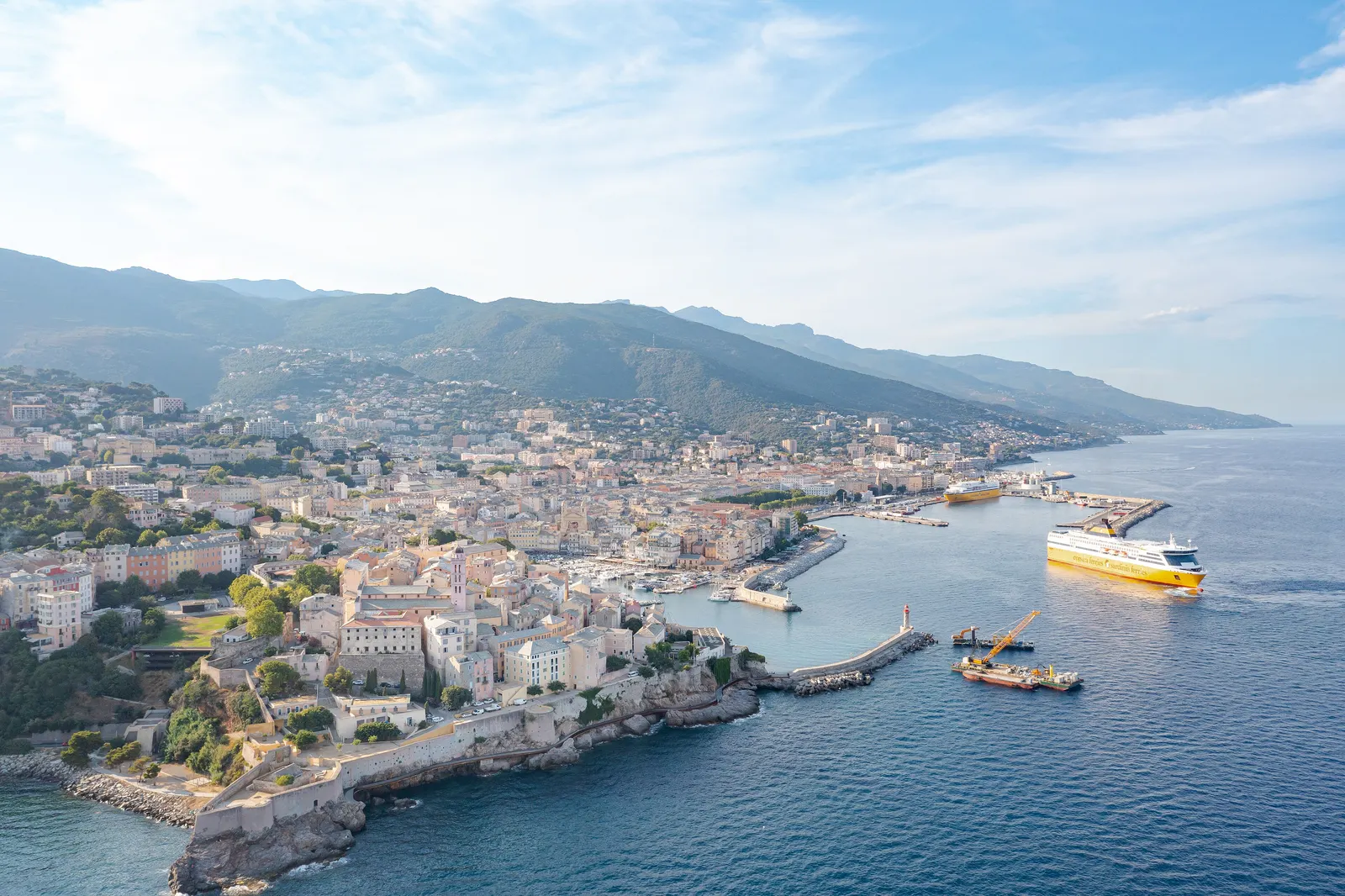
Bastia on Corsica takes about 2 to 5 hours with Corsica Ferries, Moby Lines and Cors'express. Capraia is about 2 hours 30 minutes to 3 hours with Toremar. Palermo, on Sicily, takes about 19 to 21 hours with Grimaldi Lines.
Arriving in Livorno
The Stazione Marittima lies right next to the city and is managed by Porto di Livorno 2000, Piazzale dei Marmi 12, which runs three passenger terminals. It holds the ticket offices of the operators, car hire, a refreshment point, a minimarket, a multilingual information desk, toilets and ramps for reduced mobility.
The nearest airport is Pisa International Airport, about 15 km away. Genoa is about 145 km from Livorno. Moby also points to charging points for electric cars and spaces for people with reduced mobility in the port.